
What to know before you join us
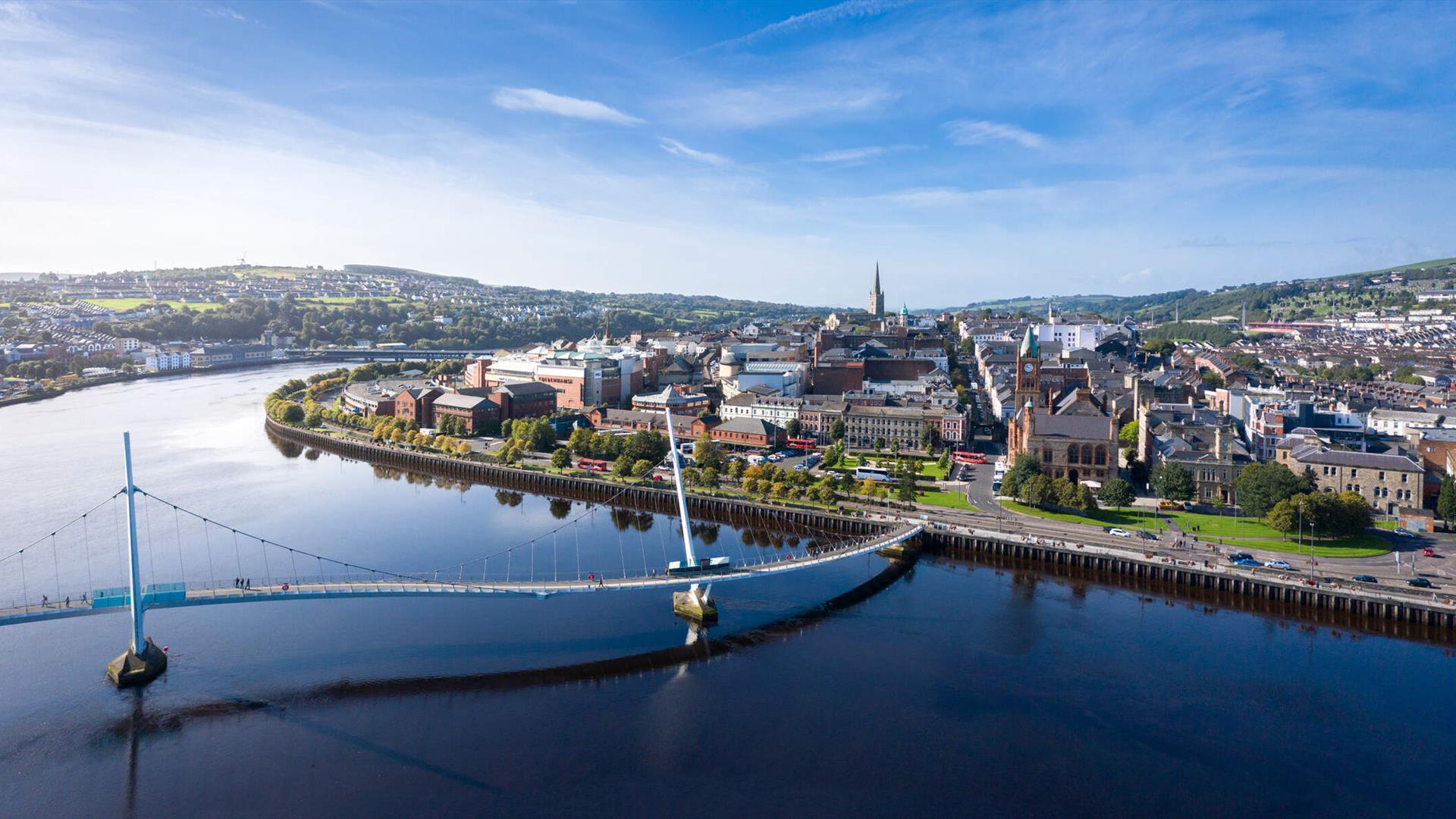
We chose the Donegal and Derry area for our wedding not only because much of Max’s family are from here but also because it’s a beautiful part of the world with a fascinating history.
It also just so happens to fall across the border between the United Kingdom and the European Union, which means it helps to plan ahead to avoid any potential problems. This page contains some contextual information about the area and also important things to know about visas, phone signal and currency. If you’re not here for a history lesson, scroll down to the bottom.
Northern Ireland and the north of Ireland
The UK and Ireland have a long and complicated history, which our international friends might not be familiar with.
In short, the United Kingdom is made of England, Scotland, Wales and Northern Ireland. The Republic of Ireland is its own country. Our reception will take place in Buncrana, in the Republic of Ireland, while the ceremony itself will be two days later in Derry, in Northern Ireland. Derry is actually known by several names.
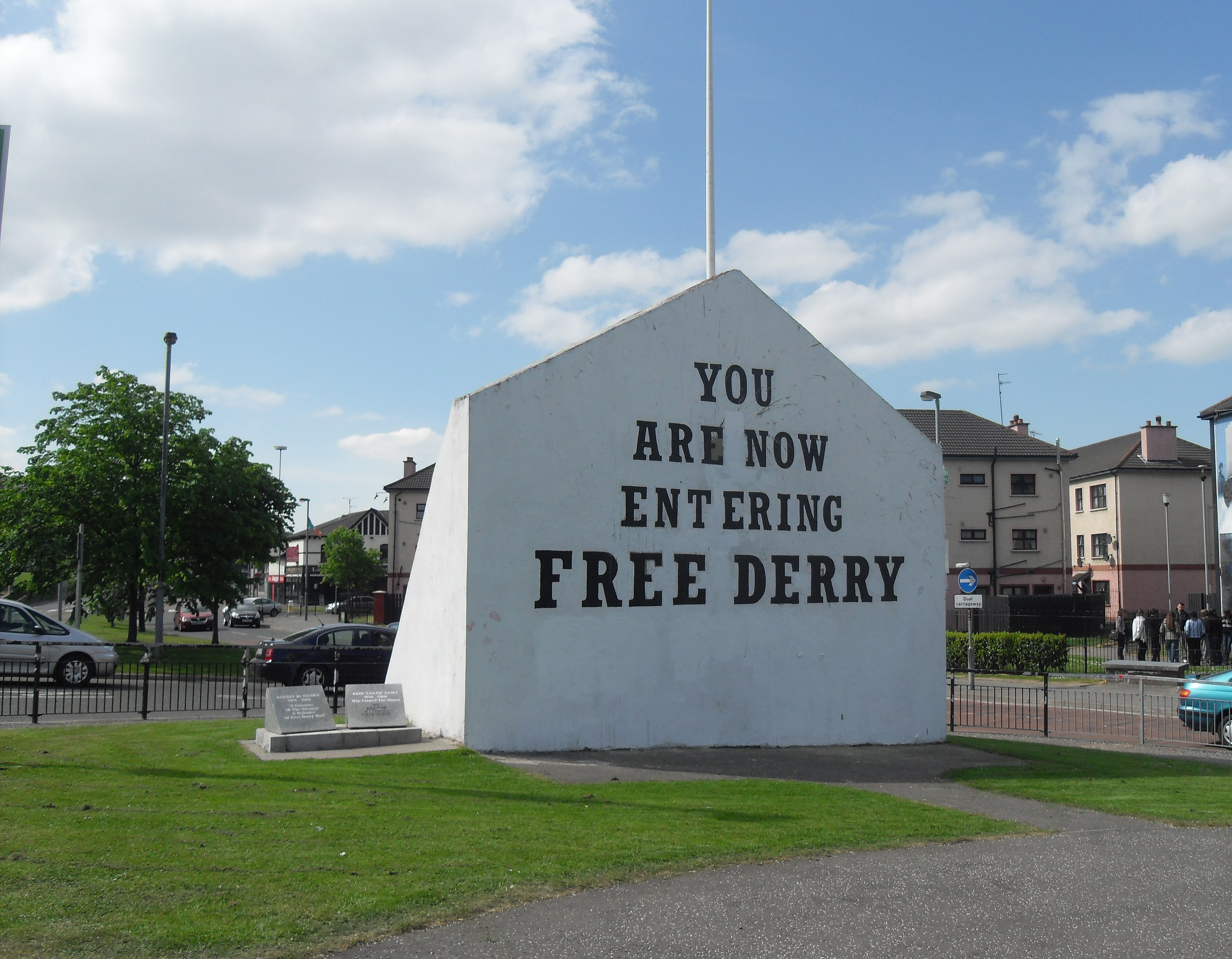
Its historic name is Doire, which is an Irish word. The English version of that name is Derry. Both of these names can be seen on road signs in the Republic of Ireland. Once you cross into Northern Ireland, the signs read ‘Londonderry’ instead. This is the city’s official name in the United Kingdom. No matter what name you choose to use, there will be someone who disagrees with it, but referring to it as “Derry City, Northern Ireland”, is generally a safe bet.
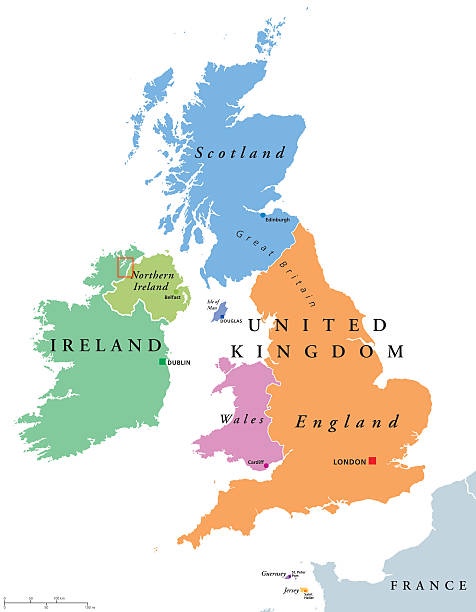
“The United Kingdom” means England, Scotland, Wales, Northern Ireland and hundreds of the smaller islands around Britain, such as Shetland and Orkney.
“The island of Ireland” refers to the Republic of Ireland and Northern Ireland.
“Northern Ireland” is a political entity and is part of the United Kingdom.
“The north of Ireland” is a geographical term referring to the northern part of the island of Ireland, both the Republic and Northern Ireland.
“The British Isles” refers to both the UK, Ireland, and the Crown-dependent Channel Islands between the UK and France, such as Alderney, Jersey and Guernsey.
Accommodation
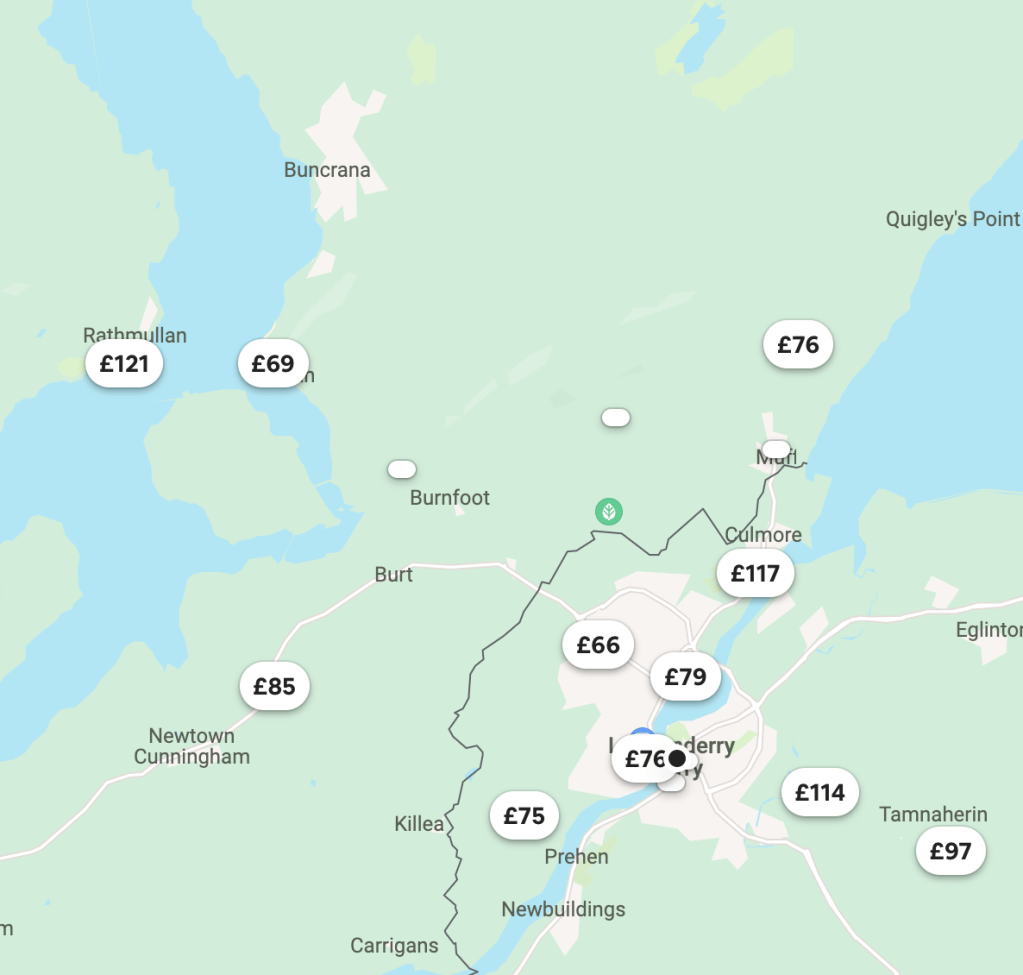
We recommend using a booking site like Airbnb or booking.com to find somewhere to stay, as they will now be taking booking for the wedding week.
If you want to stay near to where we will be having our celebration on the 17th, look for places near Lisfannon, Inishowen, County Donegal.
If you want to stay where the ceremony itself is happening on the 19th, then aim for something closer to Derry city centre.
What to know about the border
Visas
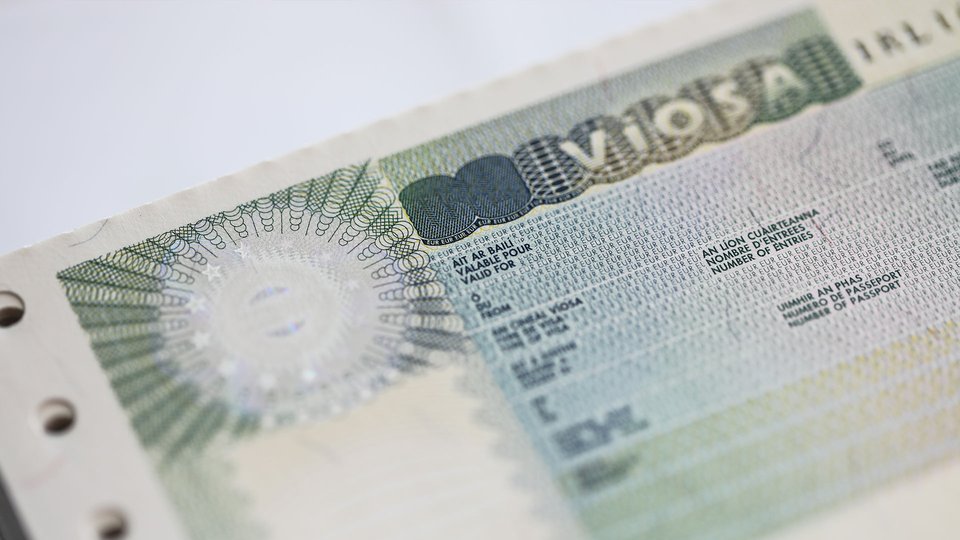
While Northern Ireland is part of the United Kingdom and the Republic of Ireland is its own country, if you have a visa or visa-exemption for either the UK or Ireland, you can legally travel anywhere in Ireland or Northern Ireland. There is no border check to cross between Northern Ireland and the Republic.
Be aware, a Schengen visa does not permit you to travel to Ireland. However, both British and Irish passport holders can travel anywhere on the island of Ireland without a visa.
Phone Signal
Although you’re allowed to travel across the border, your phone signal will need Roaming(漫游)activated to work on both sides. Confirm in advance that this is a reasonable price if you think you will need phone signal at all times.

Currency
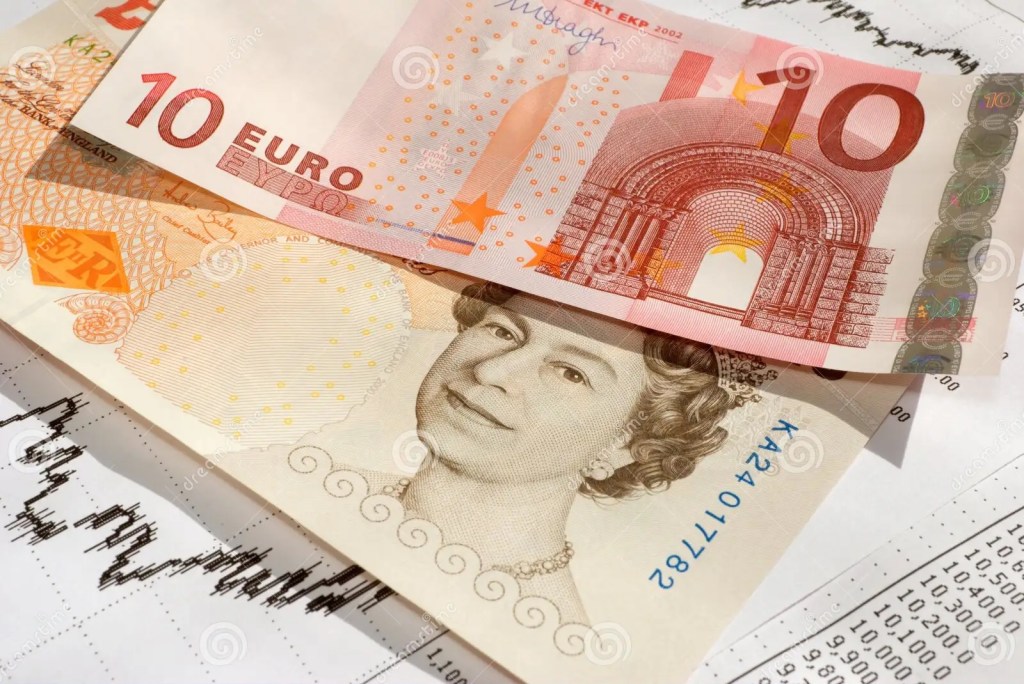
The Republic of Ireland is in the EU and uses the Euro currency (€).
Northern Ireland is in the UK and uses Pound Sterling (£).
Many shops close to the border will accept either currency, but it’s more cost-effective to use the appropriate currency in each place.
 Max and Holly 2025